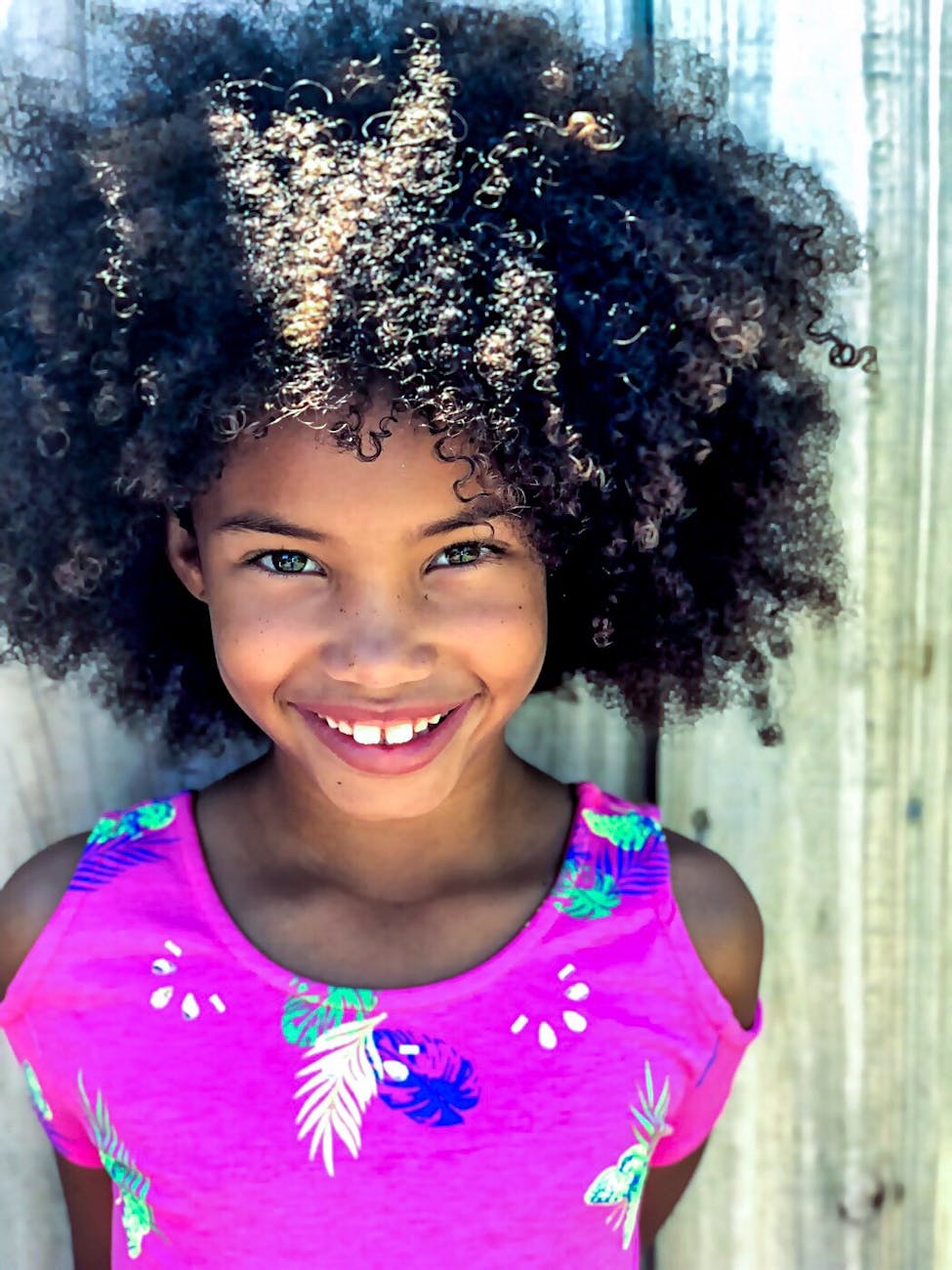
As a black woman who has spent most of my career as the minority in the room, there has been many occasions where my hair has been the topic of conversation and attracted far more attention than I as an introvert would like! I had to build myself up to walking into work with a new hairstyle, knowing the oohs and ahhs I would get when I had a fresh set of braids, not to mention the touching! Don’t get me wrong most of us like compliments when we get our hair done but this is just different. One previous occasion that stands out for me is being in line at my office for lunch and feeling a hand brushing against my neck. I was startled to turn around and see an unfamiliar woman, “ooh it’s so lovely I just couldn’t help myself!” she said smiling. (You definitely could and should have, I thought, but I smiled back politely hiding my irritation until I found my safe colleague to complain about it to).
Current Context
Although there is still work to be done, this is less likely to happen today. Over the years there has been a shift, black people are speaking out so it’s more widely recognised that hair touching can be offensive and a micro aggression. If we do come across someone who hasn’t got the memo, many of us are empowered enough to say what I should have all those years ago. “Please DON’T touch my hair!”
The early years sector is quite rightfully part of this movement talking about equality, diversity and inclusion more than ever before. So many people are keen to hear the messages and do the right things. To avoid being labelled as offensive, well intended Practitioners are banning hair touching forgetting everything we know about what it is like to be three!
I went to a setting where a child was fascinated by the look and feel of my red braids. I learnt from the practitioner that his mum is a hairdresser, and the wider conversation around hair evolved from there. I visited the same setting later and once again there was a focus on my hair. The practitioner became flustered and ushered him away firmly saying; “Oh no, that’s not okay, we don’t touch hair” The problem here? This three-year-old was
being treated like the thirty something year old who touched my hair should have been. That was offensive, this is curiosity! We know that three-year-olds are naturally keen to know about the people around them and usually encourage that. But out of fear of getting it wrong people are shutting this down unsure of how to deal with it. I have heard practitioners too worried to tell a black child that their hair looks nice because they are not sure if it’s racist or offensive. This message is being passed down to children.
The responsive Adult
What is needed is a respectful, considered, individualised approach which takes into account what we know about children and in particular that child.
If we are teaching children respect and consent as we should be, this already lays the foundations for them to understand they shouldn’t be touching hair without consent. This means that if they do, we don’t need to panic, we can gently remind them of this.
If a child does consent to having their hair touched, connect and check in. Are they really okay with it or are they being passive. If they are really okay, should we just allow it? My belief is yes, with caution. Some things to consider:
Monitor what direction the interaction going in. One of the main issues with hair touching for me, besides consent and the racial undertones, is the feeling that you are being made a spectacle of. I have seen practitioners gathering children to look at so and so’s ‘special hairstyle’ while they ooh and ahh. That is not okay and whilst the intention may be different, the act can be likened to historical acts where black people were exhibited for their physical differences to be mocked. With this in mind be alert to if the interaction is going in the direction of a child seeming like a spectacle and stop it! Or if there is an opportunity and its appropriate redirect it, for example, encourage the hair touching to be mutual rather than something done to one child.
Use it as a teachable moment. We all have different hair, let’s explore and learn about that and why. This also helps avoid the ‘othering’ that can occur when we only learn about one child and their difference.
Respectful Communication with Parents
Parents should be consulted with as a priority to inform your practice. Some may not be comfortable with hair touching for their children and respecting this should be non-negotiable. Be brave and invite conversations to learn but don’t challenge or try to persuade them. Their views may be linked to their own personal history. It’s important to acknowledge that historically black people have been categorised according to how close to European their colour, features and hair are, with those who are ‘less black’ with straighter hair being favoured and those who are darker with ‘wooly’ hair being the subject of ridicule. Even today you will still find school and workplace policies that discriminate against afro hair and hairstyles. When you take this into consideration some parents simply won’t be in the place to consider what we can with our early years hat on.
Conclusion
As adults and educators, there’s no excuse for being unaware of the history of Black hair and its ongoing impact. While it’s essential for us to apply this knowledge in our work, we must also remember that young children don’t yet have this understanding. I’m thrilled that equality, diversity, and inclusion are becoming focal points in early years education; these issues are deeply important to me, both professionally and personally. However, as we advocate for these principles, we must also align them with what we know about how young children learn.
 EDI Spotlight
Leave a comment